How to Pack a House for Moving
Moving into a new home is an exciting new venture, but it can also cause a lot of stress. Standing in a house full of furniture, decor and closets filled with years of life can very quickly feel overwhelming. Knowing how to pack your house for moving means that you have a systematic process that you can follow. This means breaking down the massive project into smaller, more manageable phases so that you don’t lose your mind leading up to moving house.
Phase 1: Declutter Before You Tape a Single Box
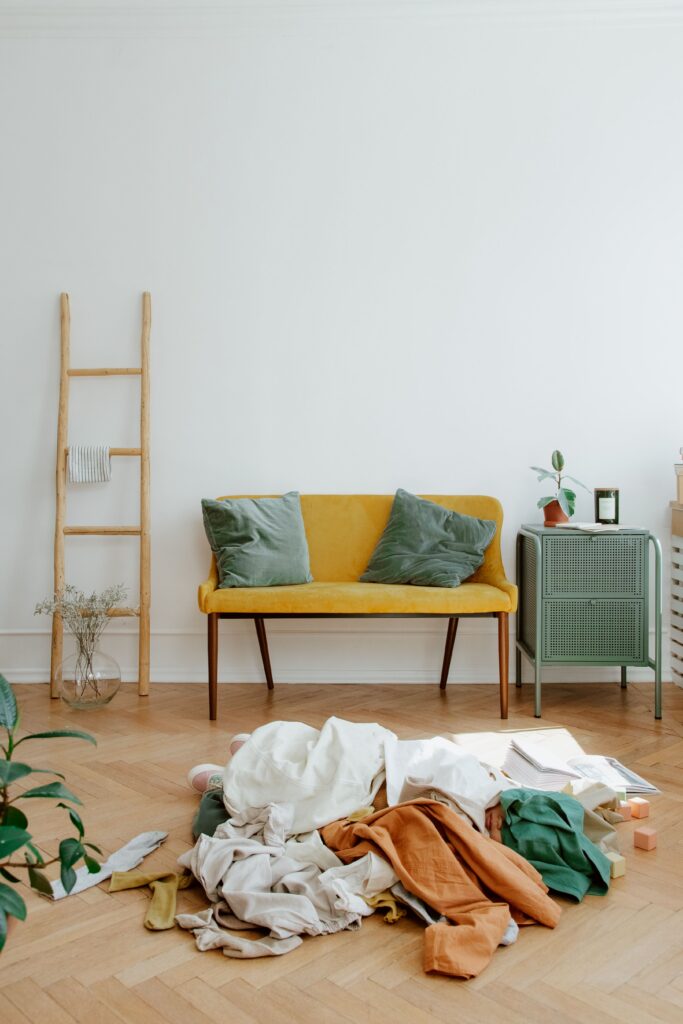
Before beginning to pack anything, you’ll need to go through all your belongings and declutter. There’s no use in transporting items you no longer need to your new home because it will waste your time, energy and valuable space. Knowing how to pack for moving home starts with lightening the load. Here’s how:
- Group by category over room: Rather than tackling a single random drawer, gather all similar items from the entire home, for example, linens, winter coats or kitchen appliances.
- The four-pile system: Next, set up a designated sorting area in each room that is labelled ‘keep’, ‘donate/sell’, and ‘throw away’. If you haven’t used an item in the past 6 months, you likely won’t need to take it with you to the new home.
- Use temporary storage as a buffer zone: If you need to stage your current home for new buyers, you may need to look into using short-term self storage to bridge the gap between the lease dates. This will give you the breathing space you need to keep your living space functional while you prep for the big move.
Phase 2: Gather Supplies and Build a Labelling System
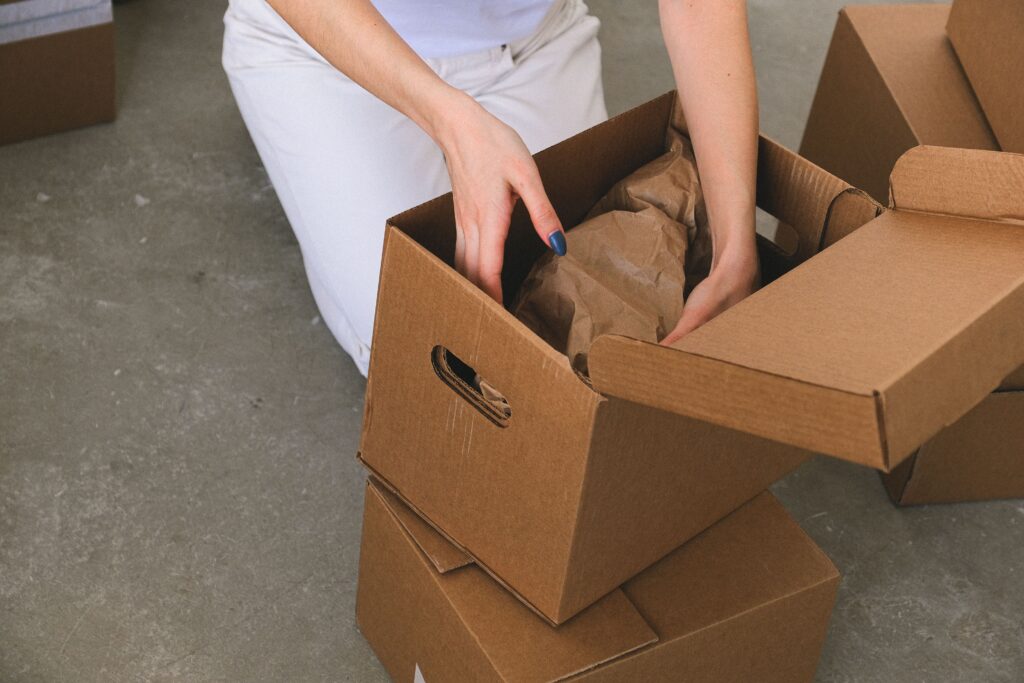
Make sure you use good-quality packing materials before you begin, such as crates or highly durable boxes.
Choose the Right Box Sizes
- Small Boxes (1.5 cu. ft.): These are best for heavy items such as books, canned goods, tools, video games, and heavy framed photos.
- Medium Boxes (3.0 cu. ft.): Ideal for kitchenware, small appliances, toys, folded clothes, and lamps.
- Large Boxes (4.5 cu. ft.): Designed for lightweight, bulky items like pillows, blankets, comforters, towels, and winter jackets.
- Speciality Boxes: Use wardrobe boxes with hanging bars for clothes, wardrobe boxes with dividers for stemware, and telescoping boxes for mirrors or flat-screen TVs.
Use a Clear Labelling System
You’ll need to make sure you label every box so that you know where they need to go in the new house. Here are the three details you need to include:
| Label Field | Purpose | Example |
| Destination Room | Tells movers exactly where to place the box upon arrival. | Primary Bedroom |
| Priority Level | Indicates how quickly the box needs to be unpacked. | High (Day 1) or Low (Week 2) |
| Handling Instructions | Protects fragile contents during transport. | Fragile – Glassware – This Side Up |
Pro Tip: You could also assign a specific colour to each room and then stick a matching colour of duct tape onto the doorframe so that movers know where each box needs to go.
Phase 3: Follow a Strategic Packing Timeline
The best way to make sure that you don’t burn out when looking at how to pack when moving is to have a strategic packing schedule. Here’s a schedule you can use:
6 Weeks Out: Storage and Out-of-Sight Spaces
The first step here will be to begin in areas that you use the least during your daily routine, for example, attics, basements, sheds, garages and guest bedrooms. It is likely that these areas will store all of your seasonal decor, camping equipment and extra linens that you won’t need to use before you move.
4 Weeks Out: Non-Essential Living Spaces
Next, focus on items that aren’t needed for your daily survival, for example, picture frames, wall art, library books or unique kitchen equipment that you don’t need every day (like an ice cream maker).
2 Weeks Out: Main Living Areas and Secondary Wardrobes
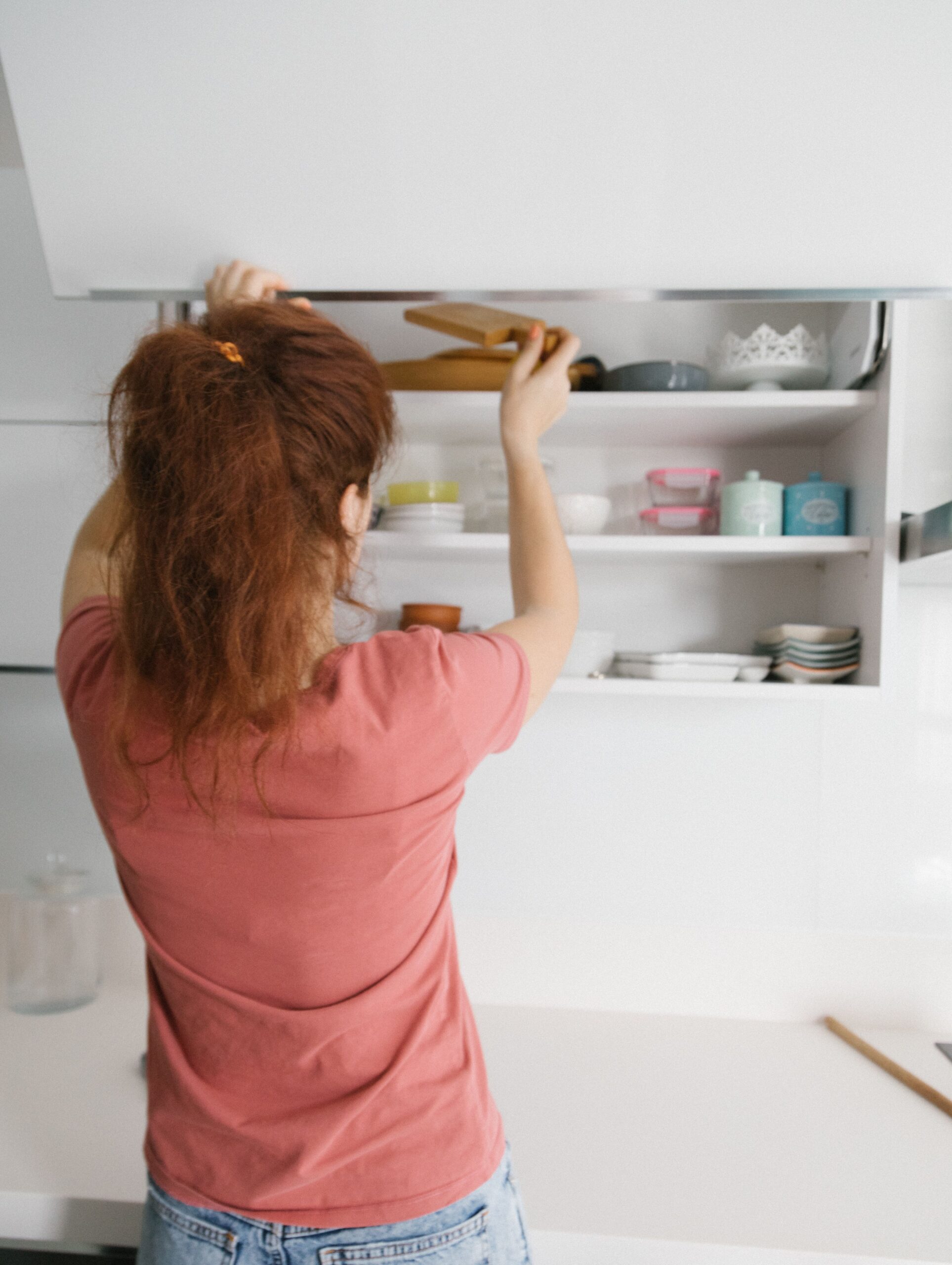
Now is the time when you pack up the majority of your kitchen, leaving only the cutlery and crockery that you will need to use. Also, streamline your wardrobe to a week’s worth of clothing and pack away any extra office supplies.
1 Week Out: Furniture Disassembly and Final Prep
This is when you start disassembling non-essential furniture, dining room extensions and coffee tables. Make sure you keep all screws, bolts and small hardware in sealed plastic sandwich bags so that you don’t lose them.
Phase 4: Packing Hacks for Tricky Items
When looking at how to pack a house for moving, you’ll notice that different belongings require specific packing techniques to make sure they don’t break or get damaged.
- Plates and glassware: Wrap each plate in newspaper and stack them vertically inside the box. Next, cushion the box with tissue paper.
- Hanging clothes: Group 10-15 hanging clothing items together and slip a heavy-duty trash bag over them from the bottom, tying the bag strings securely around the hangers.
- Electronics cable management: Take a photo of the back of your TV, desktop computer and sound system before unplugging anything. This way, you’ll ensure you reconnect cables correctly when you move in.
- Lamps and shades: Take off lampshades and light bulbs before packing them. Pack lampshades in a separate box.
Phase 5: Pack a First-Night “Survival Box”
The last thing you’re going to want to do when you get into your new home is search through loads of boxes for the things you need straight away, like a toothbrush or pyjamas. Pack a ‘survival box’ that is easily accessible for each family member and can remain in your car throughout the move. Here’s what you’ll need:
- Hygiene essentials: Toothbrushes, toothpaste, hand soap, toilet paper, shower curtain with rings, and bath towels.
- Sleep gear: Pyjamas, a complete set of clean sheets, mattress pads, and pillows for every occupied bed frame.
- Basic tool kit: Utility knife (for opening boxes), screwdriver, tape measure, trash bags, paper towels, and phone chargers.
- Refreshments: Bottled water, non-perishable snacks, pet food and bowls, disposable plates, and a basic coffee maker with mugs.
Organising a smooth relocation involves a strategic plan. When you get rid of the items you don’t need, secure your fragile items, and clear each room using a plan, you’ll make sure that you don’t rush and eliminate as much chaos as possible.
If you need extra room to stage boxes, store seasonal gear, or hold furniture between moving dates, Extra Space Self Storage offers flexible, climate-controlled self-storage units to keep your move seamless. Get in touch with one of our friendly team members to enquire today!